
Specialized Treatment for Compulsive Buying Behavior
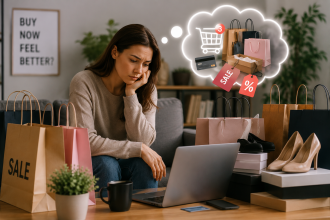
Oniomania, also known as shopping addiction or compulsive buying behavior, is characterized by a persistent and difficult-to-control urge to shop, which can gradually lead to significant financial, psychological, family, and social consequences.
A person may experience an intense urge or inner tension before making a purchase, followed by temporary pleasure, relief, or excitement during the shopping process.
However, this sense of satisfaction is usually short-lived. After making a purchase, feelings of guilt, disappointment, anxiety, or shame may arise, without necessarily preventing the behavior from being repeated.
This can create a recurring cycle:
Tension or difficult emotions → Strong urge to shop → Purchase → Temporary relief → Guilt or disappointment → Renewed urge to shop
When shopping becomes difficult to control and begins to affect finances, relationships, or everyday life, seeking specialized psychological or psychiatric support can be an important step toward addressing the problem.
When Does Shopping Become a Problem?
Not every frequent or spontaneous purchase is a sign of oniomania.
The problem arises when a person repeatedly struggles to control their shopping behavior despite the negative consequences it causes.
Possible signs of compulsive buying behavior include:
- Intense and recurring urges to shop.
- Difficulty controlling or limiting purchases.
- Buying items that are not genuinely needed or are rarely used.
- Shopping as a way of coping with anxiety, loneliness, sadness, or other difficult emotions.
- Temporary feelings of excitement, pleasure, or relief while shopping.
- Feelings of guilt, shame, or disappointment after making purchases.
- Hiding purchases or the amount of money spent from family members or a partner.
- Financial difficulties, debt, or excessive use of credit cards.
- Conflict in personal or family relationships because of shopping.
- Repeated unsuccessful attempts to control or reduce shopping behavior.
Why Does Compulsive Buying Behavior Develop?
Oniomania is not simply about enjoying shopping or wanting to acquire material possessions.
In many cases, shopping may function as a temporary coping mechanism for managing difficult emotions.
A person may use shopping to cope with or avoid:
- Anxiety and emotional tension.
- Loneliness and social isolation.
- Sadness or low mood.
- Low self-esteem.
- Feelings of emotional emptiness.
- Anger or frustration.
- Boredom.
- Difficulties in personal relationships.
The temporary pleasure or relief associated with making a purchase may reinforce the repetition of the behavior.
Over time, however, a person may feel the need to shop more frequently or make larger purchases in order to experience the same emotional relief, creating a cycle that becomes increasingly difficult to control.
Online Shopping and Compulsive Buying
The rapid growth of e-commerce has made shopping available 24 hours a day, creating new challenges for people who struggle to control their buying behavior.
Shopping apps, personalized advertising, instant promotional notifications, limited-time offers, and convenient digital payment methods can all encourage impulsive purchasing.
For some individuals, constantly browsing products, waiting for special offers, and completing purchases online may become part of the same recurring cycle of compulsive behavior.
Oniomania and Mental Health
Compulsive buying behavior may coexist with other psychological or psychiatric difficulties, including:
- Anxiety disorders.
- Depression.
- Low self-esteem.
- Difficulties with impulse control.
- Other compulsive or addictive behaviors.
- Difficulties with emotional regulation.
For this reason, a comprehensive assessment should not focus solely on shopping behavior but should also explore the psychological factors that may trigger or maintain it.
Treatment of Oniomania and Shopping Addiction
The treatment of oniomania requires an individualized therapeutic approach aimed both at gaining control over compulsive buying behavior and understanding the deeper psychological factors that contribute to and maintain the problem.
Treatment begins with a comprehensive psychological assessment and, when clinically indicated, a psychiatric evaluation.
The assessment may explore:
- The frequency and intensity of shopping behavior.
- The situations and emotions that trigger the urge to shop.
- The degree of loss of control over purchasing behavior.
- The financial, family, and social consequences.
- Possible co-occurring mental health conditions.
- Previous attempts to control or change the behavior.
Based on the assessment, an individualized treatment plan is developed according to the specific needs of each person.
Cognitive Behavioral Therapy (CBT)
Cognitive Behavioral Therapy (CBT) can play an important role in the treatment of compulsive buying behavior.
The therapeutic process helps individuals identify the thoughts, emotions, and situations that trigger the urge to shop and develop healthier and more effective ways of managing them.
The Therapeutic Approach Includes
- Recognition and acceptance of the problem.
- Understanding the individual cycle of compulsive buying behavior.
- Identifying emotional triggers that create the urge to shop.
- Identifying and modifying dysfunctional thoughts and beliefs.
- Developing strategies to improve impulse control.
- Learning techniques for managing anxiety and difficult emotions.
- Strengthening self-esteem and self-confidence.
- Establishing practical boundaries for shopping and spending.
- Managing triggers that lead to impulsive purchases.
- Developing alternative activities that provide fulfillment and emotional balance.
- Treatment of co-occurring mental health conditions.
- Relapse prevention.
- Long-term follow-up and support when required.
Goal of the Treatment
The goal of treatment is not to stop shopping completely, as purchasing goods is a normal part of everyday life.
The aim is to regain control over shopping behavior, develop a healthier relationship with money and consumption, and address the emotional or psychological factors that contribute to compulsive buying.
With appropriate psychological and, when necessary, psychiatric support, individuals can learn to recognize and manage their impulses, reduce the negative consequences of compulsive shopping, and regain greater control over their everyday lives.