
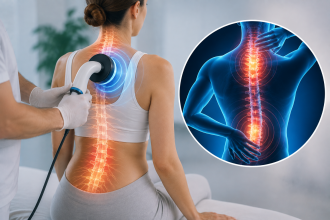
Peripheral Magnetic Stimulation (PMS), particularly repetitive Peripheral Magnetic Stimulation (rPMS), is a modern, non-invasive neuromodulation technique that can be used as an adjunctive treatment for certain forms of musculoskeletal and neuropathic pain. The technique uses short magnetic-field pulses that induce electrical currents in the underlying tissues and can stimulate peripheral nerves and muscle structures without the use of needles or surgical intervention. The aim of treatment is to modulate neuromuscular activity and pain processing, with the potential to reduce pain and improve function in appropriately selected patients.
Mechanism of Action of Peripheral Magnetic Stimulation
During treatment, a specialized magnetic stimulation coil is positioned over the area to be treated. The magnetic pulses pass through the skin and stimulate the underlying nerve and muscle structures. Depending on the intensity, frequency and site of application, the stimulation may produce sensory responses or muscle contractions.
Repetitive Peripheral Magnetic Stimulation is being studied for its potential effects on:
- modulation of pain perception
- peripheral nerve function
- muscle activation
- neuromuscular coordination
- functional rehabilitation
The treatment may be incorporated into a broader pain management and rehabilitation program, depending on the underlying cause of the symptoms.
Magnetic Stimulation for Low Back Pain
Low back pain is one of the most common causes of chronic pain and restricted mobility. Peripheral Magnetic Stimulation has been studied particularly in patients with chronic low back pain, with some studies suggesting a potential reduction in pain intensity and improvement in functional ability. The treatment does not replace investigation of the underlying cause of low back pain. Before treatment is initiated, it is important to determine whether the pain is associated with musculoskeletal factors, degenerative changes, intervertebral disc disease, nerve root compression, or another neurological or orthopedic condition.
Magnetic Stimulation for Neck Pain
Peripheral Magnetic Stimulation may also be used in selected cases of neck pain, particularly when there is a significant muscular component or impaired neuromuscular function. Chronic neck pain can have several different causes, and treatment should therefore be selected following an appropriate clinical assessment. When pain is accompanied by numbness, muscle weakness, or pain radiating into the arm, further neurological evaluation may be required to investigate possible cervical radiculopathy or another peripheral nerve disorder.
Peripheral Magnetic Stimulation and Neuropathic Pain
Neuropathic pain is caused by damage to or dysfunction of the nervous system and may present as:
- burning sensations
- electric shock-like sensations
- tingling
- numbness
- increased sensitivity to touch
- pain along the course of a nerve
Peripheral Magnetic Stimulation has been studied as a potential adjunctive treatment option for certain forms of peripheral neuropathic pain. Appropriate patient selection is particularly important, as different causes of neuropathic pain require different therapeutic approaches.
Magnetic Stimulation and Muscle Activation
Magnetic pulses can stimulate motor nerves and produce muscle contractions without requiring direct electrical contact with the skin. For this reason, Peripheral Magnetic Stimulation is also being investigated in neurological and musculoskeletal rehabilitation, with the aim of facilitating muscle activation and improving neuromuscular control. The suitability of treatment depends on the cause and severity of muscle weakness, and an appropriate neurological assessment should be performed before treatment is initiated.
Application of Peripheral Magnetic Stimulation
Peripheral Magnetic Stimulation is non-invasive and does not require needles, incisions, or anesthesia. The patient remains seated or lying down, depending on the area being treated. The stimulation coil is positioned over the selected area, and repetitive magnetic pulses are delivered according to the treatment protocol. During treatment, the patient may experience pulsing or vibrating sensations or repetitive muscle contractions. Following the session, in most cases, the patient can immediately return to normal daily activities.
Determining the Treatment Program
The number and frequency of treatment sessions are not the same for every patient.
The treatment program is determined according to:
- the diagnosis
- duration and intensity of pain
- area being treated
- degree of functional limitation
- response to the initial sessions
- other treatments the patient is receiving
Treatment effectiveness is assessed throughout the therapeutic program, and the treatment plan may be adjusted according to the patient's clinical response.
The Importance of an Accurate Diagnosis of Pain
Spinal pain is not a specific diagnosis in itself. Pain may originate from the muscles, joints, intervertebral discs, nerve roots, or other structures of the spine. For this reason, an appropriate clinical assessment should be performed before selecting a treatment.
When symptoms include:
- pain radiating into an arm or leg
- persistent numbness
- muscle weakness
- sensory disturbances
- changes in reflexes
the neurological examination may, depending on the individual case, be complemented by Magnetic Resonance Imaging (MRI), Electromyography (EMG), and Nerve Conduction Studies (NCS).
Individualized Pain Management
Peripheral Magnetic Stimulation is not a treatment for every form of spinal pain and does not replace an accurate diagnosis. It may be used as part of an individualized therapeutic approach, combined, when appropriate, with medication, therapeutic exercise, physiotherapy, and other rehabilitation interventions. The selection of the most appropriate treatment is based on the underlying cause of pain, the neurological examination, the findings of relevant diagnostic investigations, and the individual needs of each patient.