
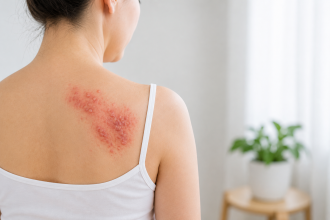
Postherpetic neuralgia (PHN) is the most common chronic neurological complication of shingles (herpes zoster) and is characterized by neuropathic pain that persists in the area where the shingles rash previously occurred.
Shingles is caused by the reactivation of the varicella-zoster virus (VZV), which remains dormant in the sensory nerve ganglia following the initial infection with chickenpox.
When the virus reactivates, it can cause inflammation and damage to sensory nerves, resulting in pain, burning sensations, hypersensitivity, and other sensory disturbances. In most patients, the pain gradually subsides as the rash heals. However, in some people, the pain may persist for months or even longer, developing into postherpetic neuralgia.
Shingles and Neuropathic Pain
Pain associated with shingles may develop before, during, or after the appearance of the characteristic rash.
During the acute phase, patients may experience:
- Burning sensations
- Pain or skin tenderness
- Tingling
- Itching
- Electric shock-like sensations
- Sharp or stabbing pain
Symptoms typically occur within the distribution of a specific sensory nerve or dermatome and usually affect only one side of the body.
The shingles rash generally follows the same nerve distribution.
What Is Postherpetic Neuralgia?
Postherpetic neuralgia is chronic neuropathic pain that persists or develops in an area previously affected by shingles.
It is commonly defined as pain that continues for at least 90 days after the onset of the shingles rash.
The pain may be continuous or intermittent and can vary considerably in intensity.
In some patients, symptoms may persist for many months or longer and can significantly affect sleep, mood, daily activities, and overall quality of life.
Symptoms of Postherpetic Neuralgia
Symptoms usually occur in the same area where the shingles rash previously appeared.
They may include:
- Persistent burning pain
- Sharp or stabbing pain
- Electric shock-like sensations
- Tingling
- Numbness or reduced sensation
- Increased skin sensitivity
- Itching
- Pain triggered by light touch
A characteristic symptom is allodynia, in which a normally painless stimulus, such as clothing or bedsheets touching the skin, causes significant pain.
Some patients may experience reduced sensation in certain areas while simultaneously having severe pain or hypersensitivity in others.
Areas Affected by Postherpetic Neuralgia
Postherpetic neuralgia can develop in any area previously affected by shingles.
Commonly affected areas include:
- Chest
- Back
- Abdomen
- Neck
- Face and head
Particular attention is required when shingles affects the face, especially the area around the eye. In these cases, the ophthalmic division of the trigeminal nerve may be involved, with a risk of potentially serious ocular complications.
Risk Factors for Postherpetic Neuralgia
Not everyone who develops shingles will experience postherpetic neuralgia.
The risk increases considerably with age and is significantly higher among older adults.
Other factors associated with an increased risk may include:
- Older age
- Severe pain during the acute phase of shingles
- Severe or extensive rash
- Significant sensory symptoms before the rash appears
- Involvement of certain areas, such as the face
- Conditions affecting immune system function
Early treatment of acute shingles is important for reducing the duration and severity of the disease.
Diagnosis of Postherpetic Neuralgia
The diagnosis of postherpetic neuralgia is primarily clinical and is based on a history of previous shingles, the characteristics of the pain, and neurological examination.
Particular attention is given to:
- The location and distribution of the pain
- Its temporal relationship with the previous episode of shingles
- The character and intensity of the pain
- The presence of allodynia or hyperalgesia
- Numbness or reduced sensation
- The impact of pain on sleep and daily functioning
In most typical cases, specific imaging investigations are not required.
However, when symptoms are atypical or other neurological findings are present, further investigations may be necessary to exclude other causes of neuropathic pain.
Treatment of Postherpetic Neuralgia
The treatment of postherpetic neuralgia is individualized according to the intensity and characteristics of the pain, the patient's age, coexisting medical conditions, and the impact of symptoms on everyday life.
Because Postherpetic Neuralgia is a form of neuropathic pain, conventional painkillers are not always sufficiently effective.
Treatment may include medications specifically used for neuropathic pain, such as certain anticonvulsant or antidepressant medications, when clinically appropriate.
Topical treatments, including lidocaine or capsaicin preparations, may also be considered in appropriately selected patients.
Treatment should be individualized, particularly in older adults and patients taking multiple medications.
Management of Persistent Neuropathic Pain
In some patients, pain may remain severe despite initial treatment.
In these cases, a combination of different therapeutic approaches or evaluation for more specialized options for the management of chronic neuropathic pain may be necessary.
It is also important to assess the impact of pain on:
- Sleep
- Mood
- Physical activity
- Work
- Social life
- Independence and daily functioning
Addressing these factors is an important part of comprehensive treatment.
Prevention of Shingles and Postherpetic Neuralgia
Preventing shingles is an important way of reducing the risk of developing postherpetic neuralgia.
Vaccination against shingles can significantly reduce the risk of developing herpes zoster and its associated complications in people for whom vaccination is recommended.
If shingles develops, early medical assessment is also important, as antiviral treatment is most effective when started early in the course of the disease.
Neurological Follow-Up for Postherpetic Neuralgia
Neurological follow-up can be particularly useful when pain persists, is severe, or significantly interferes with everyday activities.
During follow-up, the neurologist may assess the intensity and characteristics of the pain, sensory disturbances, response to treatment, and possible adverse effects of medications.
The development of muscle weakness, visual disturbances, facial paralysis, severe headache, confusion, or other new neurological symptoms in association with shingles requires prompt medical evaluation.
Accurate diagnosis and individualized treatment of postherpetic neuralgia can help reduce chronic neuropathic pain, improve sleep and daily functioning, and contribute to a better overall quality of life.