
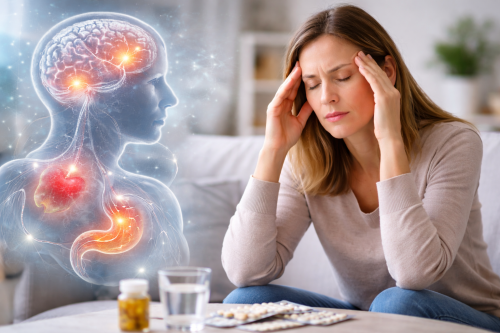
Understanding the Mind–Body Connection
Psychosomatics refers to the interaction between the mind and the body — specifically, how psychological factors such as stress, trauma, anxiety, and emotional conflict can influence physical health.
Psychosomatic symptoms are real physical symptoms, but they are influenced or triggered by emotional or psychological processes. They are not imagined, exaggerated, or “fake.” They represent a complex biological response involving the brain, nervous system, hormones, immune system, and muscles.
Modern neuroscience confirms that the brain and body are constantly communicating through neural pathways, hormones, and inflammatory mediators. When emotional stress becomes chronic, this communication can become dysregulated — leading to persistent physical symptoms.
The Brain–Body Mechanism
The brain regulates bodily functions through:
- The autonomic nervous system (sympathetic & parasympathetic)
- The hypothalamic–pituitary–adrenal (HPA) axis
- The immune and inflammatory systems
- Pain processing pathways
When a person experiences chronic stress:
- The sympathetic nervous system remains activated.
- Cortisol and stress hormones stay elevated.
- Muscles remain tense.
- Pain sensitivity increases.
- Sleep becomes fragmented.
- The immune system becomes dysregulated.
Over time, this may manifest as headaches, gastrointestinal disturbances, palpitations, fatigue, or chronic pain.
This is not “psychological weakness.” It is neurobiological overload.
Common Causes of Psychosomatic Symptoms
Psychosomatic symptoms usually emerge when emotional stress exceeds coping capacity.
1. Chronic Stress
Work pressure, financial strain, caregiving burden.
2. Anxiety Disorders
Persistent hyperarousal sensitizes pain and bodily awareness.
3. Trauma or Unresolved Emotional Conflict
The body may “hold” unprocessed emotional experiences.
4. Depression
Depression frequently presents with physical symptoms such as pain or fatigue before mood changes are recognized.
5. Personality Patterns
Perfectionism, high responsibility, or difficulty expressing emotions may increase internalized stress.
Common Psychosomatic Symptoms
Psychosomatic symptoms can affect almost any organ system.
Neurological
- Chronic headaches or migraines
- Dizziness
- Functional neurological symptoms
- Paresthesias
Cardiovascular
- Palpitations
- Chest tightness
Gastrointestinal
- Irritable bowel symptoms
- Nausea
- Abdominal pain
Musculoskeletal
- Neck and shoulder tension
- Back pain
- Generalized body aches
General Symptoms
- Chronic fatigue
- Sleep disturbances
- Shortness of breath
The key feature is often:
- Normal or inconclusive medical tests
- Symptoms fluctuating with stress levels
- Multiple systems involved
Psychosomatic Disorders in Modern Medicine
Psychosomatics overlaps with:
- Functional Neurological Disorders (FND)
- Somatic Symptom Disorder
- Stress-related disorders
- Chronic pain syndromes
- Psychophysiological insomnia
The field of psychosomatic medicine integrates neurology, psychiatry, and internal medicine.
How Is Psychosomatics Diagnosed?
Diagnosis is clinical and requires:
- Careful medical evaluation to exclude structural disease
- Detailed psychosocial assessment
- Identification of stress–symptom correlation
- Recognition of autonomic dysregulation patterns
It is essential to avoid two extremes:
- Ignoring organic pathology
- Dismissing symptoms as “just stress”
A balanced neurological and psychiatric approach is critical.
Treatment of Psychosomatic Symptoms
Treatment focuses on restoring nervous system regulation and emotional processing.
1. Psychoeducation
Understanding the brain–body connection reduces fear and symptom amplification.
2. Psychotherapy
Evidence-based approaches include:
- Cognitive Behavioral Therapy (CBT)
- Body-oriented psychotherapy
- Trauma-focused therapies
- Mindfulness-based interventions
3. Regulation of the Autonomic Nervous System
- Breathing exercises
- Progressive muscle relaxation
- Gentle movement therapies
- Therapeutic yoga
4. Medication (When Needed)
In selected cases:
- Antidepressants
- Anxiolytics
- Neuromodulation approaches
5. Lifestyle Interventions
- Sleep regulation
- Physical activity
- Stress management
- Reduction of stimulants
Why early intervention matters
When psychosomatic symptoms remain untreated:
- They may become chronic
- Health anxiety may develop
- Functional disability may increase
- Quality of life declines
Early integrative care improves prognosis significantly.
Psychosomatics is not about symptoms being imaginary.
It is about how emotional stress, when unprocessed or chronic, can alter the functioning of the nervous system and manifest physically.
Understanding this connection empowers patients to:
- Reduce fear
- Regain control
- Restore nervous system balance
- Improve both mental and physical health