
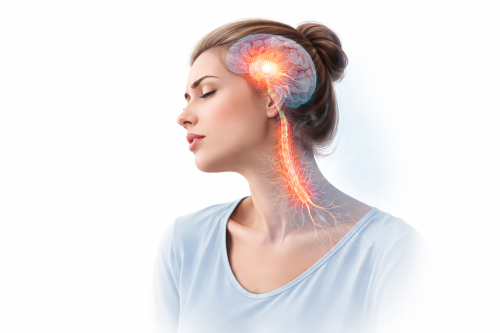
Dystonia is a neurological movement disorder that causes involuntary muscle contractions, leading to abnormal movements or postures. These movements may be repetitive, twisting, or sustained, and they can affect one part of the body or multiple areas.
Although dystonia can sometimes appear alarming, it is a treatable condition, especially when diagnosed early and managed properly.
What Is Dystonia?
Dystonia occurs when there is a dysfunction in the brain areas responsible for controlling movement, particularly the basal ganglia. This leads to incorrect signals being sent to muscles, causing them to contract uncontrollably.
It can affect different parts of the body, including:
- The neck (cervical dystonia)
- The eyelids (blepharospasm)
- The hands (writer’s cramp)
- The voice (laryngeal dystonia)
- The entire body (generalized dystonia)
Common Symptoms of Dystonia
Symptoms vary depending on the type and severity, but may include:
- Involuntary muscle spasms
- Twisting or repetitive movements
- Abnormal postures (e.g., head tilting to one side)
- Tremor in the affected area
- Pain or discomfort due to muscle contractions
- Symptoms that worsen with stress or fatigue
In many cases, symptoms start mildly and gradually become more noticeable over time.
What Causes Dystonia?
Dystonia can be classified into primary (idiopathic) and secondary forms.
Primary Dystonia
- No clear structural brain damage
- Often linked to genetic factors
Secondary Dystonia
Occurs as a result of another condition, such as:
- Brain injury or stroke
- Neurodegenerative diseases (e.g., Parkinson’s disease)
- Infections affecting the brain
- Exposure to certain medications (especially some antipsychotics)
How Is Dystonia Diagnosed?
Diagnosis is mainly clinical, based on:
- A detailed medical history
- Neurological examination
- Observation of movement patterns
In some cases, additional tests may be required:
- MRI of the brain
- Blood tests
- Genetic testing (in suspected hereditary cases)
Early diagnosis is important to rule out other neurological conditions and to start appropriate treatment.
How Is Dystonia Treated?
While there is no single cure for all forms of dystonia, many effective treatments can significantly improve symptoms and quality of life.
1. Medications
Depending on the type of dystonia, medications may include:
- Muscle relaxants
- Anticholinergic drugs
- Dopaminergic medications
- Benzodiazepines
These help reduce muscle overactivity and improve control.
2. Botulinum Toxin Injections (Botox)
One of the most effective treatments for focal dystonia.
- Injected directly into the affected muscles
- Reduces abnormal contractions
- Effects last 3–4 months
- Particularly useful for cervical dystonia and blepharospasm
3. Physical Therapy and Rehabilitation
- Improves muscle control and posture
- Reduces pain and stiffness
- Helps patients regain functional movement
4. Neuromodulation Therapies
In more severe or resistant cases:
- Deep Brain Stimulation (DBS)
- Repetitive Transcranial Magnetic Stimulation (rTMS)
These treatments target brain activity and can help regulate abnormal movement patterns.
5. Lifestyle and Supportive Approaches
- Stress management techniques
- Adequate sleep
- Regular gentle exercise
- Psychological support when needed
Stress and fatigue can worsen symptoms, so a holistic approach is important.
When Should You See a Specialist?
You should seek medical advice if you notice:
- Persistent muscle spasms or abnormal postures
- Involuntary movements that interfere with daily life
- Symptoms that are gradually worsening
Early evaluation by a neurologist can lead to better treatment outcomes and improved quality of life.
Dystonia is a complex but manageable neurological condition. With modern treatments—including medications, botulinum toxin injections, and advanced neuromodulation techniques—many patients can achieve significant symptom relief.
If you or a loved one are experiencing symptoms of dystonia, a specialized neurological assessment is the first step toward effective treatment and recovery.