
Urination is a function most people take for granted—until something goes wrong.
For many patients, symptoms such as urgency, incontinence, or difficulty emptying the bladder can be confusing and distressing.
What is often not widely understood is that bladder function is closely controlled by the nervous system. When this system is disrupted, urinary problems can appear as an early or significant symptom of neurological disease.
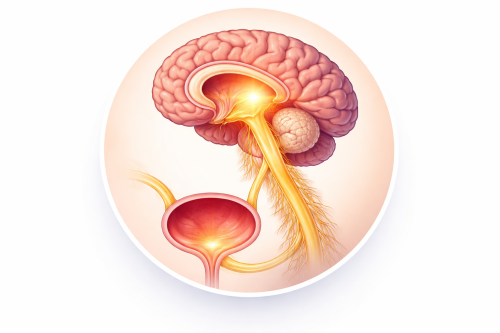
How normal bladder control works
The process of urination is not simply mechanical. It requires precise coordination between the brain, spinal cord, and peripheral nerves.
The bladder stores urine until it reaches a certain volume. Signals are then sent to the brain, creating the sensation of needing to urinate. At the appropriate time and place, the brain sends signals back to the bladder and sphincter muscles, allowing urination to occur in a controlled way.
This delicate balance depends on intact neural pathways. Even small disruptions can lead to noticeable symptoms.
What Is Neurogenic Bladder?
When urinary problems arise due to damage or dysfunction of the nervous system, the condition is referred to as neurogenic bladder.
Depending on the location and type of neurological impairment, the bladder may become:
- Overactive – leading to urgency, frequency, and incontinence
- Underactive – causing difficulty initiating urination or incomplete emptying
- Poorly coordinated – where bladder contraction and sphincter relaxation do not occur properly
These patterns can significantly affect quality of life and, in some cases, lead to complications such as infections or kidney damage.
Common Urinary Symptoms in Neurological Disorders
Patients with neurological conditions may experience a range of urinary symptoms, including:
- Urinary urgency (a sudden, strong need to urinate)
- Increased frequency, especially at night (nocturia)
- Urinary incontinence (loss of bladder control)
- Hesitancy or difficulty starting urination
- Weak urine stream
- Feeling of incomplete bladder emptying
These symptoms may appear gradually or suddenly, depending on the underlying condition.
Neurological Conditions That Affect the Bladder
Urinary dysfunction can be seen in many neurological disorders. Some of the most common include:
Multiple Sclerosis (MS)
Damage to the central nervous system disrupts communication between the brain and bladder, often leading to urgency and incontinence.
Parkinson’s Disease
Patients frequently experience overactive bladder symptoms due to impaired control of bladder reflexes.
Stroke
A stroke can affect the brain centers responsible for bladder control, leading to incontinence or difficulty voiding.
Spinal Cord Injury
Depending on the level of injury, patients may develop severe bladder dysfunction, ranging from retention to uncontrolled leakage.
Diabetic Neuropathy
Chronic nerve damage in diabetes can impair bladder sensation and emptying, leading to urinary retention.
Why Early Recognition Is Important
Urinary symptoms are sometimes underestimated or attributed to aging. However, they can be an important early sign of neurological disease.
Early diagnosis allows for:
- better symptom management
- prevention of complications such as infections
- protection of kidney function
- improved quality of life
Ignoring these symptoms may lead to worsening dysfunction over time.
How Urinary Dysfunction Is Evaluated
Assessment typically includes a detailed medical history and neurological examination. Additional tests may be required, such as:
- urine analysis
- ultrasound of the urinary tract
- urodynamic studies (to evaluate bladder function)
- imaging of the brain or spinal cord when needed
These investigations help determine the underlying cause and guide treatment.
Treatment and Management
Management of urinary dysfunction depends on the cause and type of bladder involvement.
Treatment approaches may include:
- behavioral strategies (timed voiding, fluid management)
- pelvic floor exercises
- medications to relax or stimulate bladder function
- catheterization in cases of urinary retention
- neuromodulation therapies in selected patients
The goal is not only symptom control, but also preservation of long-term urinary and kidney health.
The Role of the Nervous System in Recovery
An important aspect of treatment is understanding that bladder function is not isolated—it reflects the overall state of the nervous system.
In some cases, improving neurological regulation through rehabilitation, physiotherapy, or integrative approaches can positively influence bladder symptoms.
Urinary dysfunction in neurological disorders is common, but often under-recognized.
If you experience changes in urination—especially alongside neurological symptoms—it is important to seek evaluation.
The bladder and the brain are closely connected.
Understanding this connection is the first step toward effective treatment and improved quality of life.