
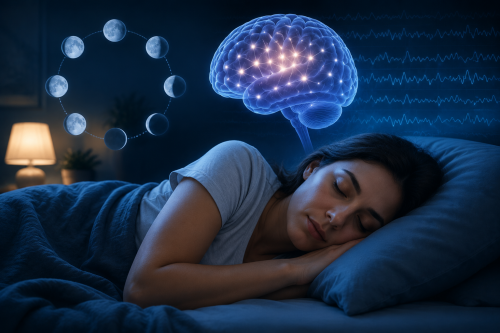
Sleep is a vital biological process that supports brain function, mental health, memory, and overall wellbeing. When sleep is disrupted, people often experience problems with mood, concentration, energy, and physical health. In neurology and psychiatry, sleep disorders are among the most common — and most treatable — conditions.
Understanding how sleep works is the first step toward improving it.
The Structure of Sleep: How a Normal Night Works
Sleep is organized into cycles, each lasting about 90–110 minutes. During a typical night, we go through 4–6 sleep cycles. Each cycle includes two main types of sleep: Non‑REM sleep and REM sleep.
1. Non‑REM Sleep (NREM)
NREM sleep is the “quiet” part of sleep and includes three stages:
- Stage N1 (Light Sleep): You drift between wakefulness and sleep. Muscles relax, and it’s easy to wake up.
- Stage N2 (Stable Sleep): Heart rate slows, body temperature drops, and the brain begins to disconnect from the outside world. This stage makes up most of our sleep time.
- Stage N3 (Deep Sleep / Slow‑Wave Sleep): This is the most restorative stage. The body repairs tissues, strengthens the immune system, and supports physical recovery.
2. REM Sleep (Rapid Eye Movement Sleep)
REM sleep is the “active” part of sleep:
- The brain becomes highly active
- Most dreaming occurs
- Muscles temporarily shut down to prevent acting out dreams
- REM supports emotional balance, learning, and memory
A healthy night includes a balanced mix of NREM and REM sleep. When this structure is disrupted, symptoms appear during the day.
Why Healthy Sleep Is Essential for the Brain
Good sleep supports:
- Memory and learning
- Emotional stability
- Attention and decision‑making
- Brain detoxification (removal of metabolic waste)
- Hormonal balance
- Immune function
Chronic sleep problems increase the risk of anxiety, depression, headaches, cognitive decline, and cardiovascular disease.
Common Sleep Disorders
1. Insomnia
Insomnia means difficulty falling asleep, staying asleep, or waking too early.
Common symptoms:
- Fatigue
- Irritability
- Poor concentration
- Anxiety around sleep
Insomnia is often linked to stress, mood disorders, or poor sleep habits.
2. Sleep Apnea
Sleep apnea is a disorder where breathing repeatedly stops during sleep.
Typical signs:
- Loud snoring
- Gasping or choking during sleep
- Unrefreshing sleep
- Daytime sleepiness
Untreated sleep apnea increases the risk of high blood pressure, stroke, and heart disease.
3. Restless Legs Syndrome (RLS)
RLS causes an uncomfortable urge to move the legs, especially in the evening.
It makes falling asleep difficult and may be related to iron deficiency or neurological conditions.
4. Narcolepsy
A neurological disorder that causes:
- Excessive daytime sleepiness
- Sudden sleep attacks
- Possible muscle weakness triggered by emotions (cataplexy)
Narcolepsy occurs when the brain cannot regulate REM sleep properly.
5. Parasomnias
These are unusual behaviors during sleep, such as:
- Sleepwalking
- Night terrors
- Talking during sleep
- Acting out dreams (REM sleep behavior disorder)
Parasomnias often require neurological evaluation.
6. Circadian Rhythm Disorders
These occur when the body’s internal clock is out of sync with the environment.
Examples include:
- Delayed sleep phase (falling asleep very late)
- Shift‑work disorder
- Jet lag
These disorders affect sleep timing rather than sleep quality.
When Should Someone See a Specialist?
A person should seek medical evaluation if they experience:
- Persistent difficulty sleeping
- Loud snoring with daytime fatigue
- Unusual movements or behaviors during sleep
- Sudden episodes of muscle weakness
- Chronic tiredness despite “sleeping enough”
- Sleep problems affecting mood or daily functioning
Sleep disorders are highly treatable, and early diagnosis leads to better outcomes.
How to Improve Sleep Naturally
Healthy sleep can often be supported through simple, non‑medical lifestyle strategies. Keeping a consistent sleep schedule, limiting caffeine and heavy meals before bedtime, reducing screen time in the evening, and creating a dark, quiet, cool sleep environment all help the body prepare for rest.
It also helps to use the bed only for sleep and intimacy, and to get morning sunlight exposure to strengthen the natural sleep–wake cycle. These habits work together to support healthier, more stable sleep wake cycle.
Medical Treatment Options
While lifestyle habits are important, many sleep disorders require professional evaluation and treatment. Neurologists and psychiatrists play a key role in diagnosing the underlying cause and creating a safe, evidence‑based plan.
1. Comprehensive Sleep Assessment
A specialist may begin with:
- A detailed sleep history
- Review of medical and psychiatric conditions
- Medication review
- Screening for anxiety, depression, or neurological symptoms
- Sleep questionnaires
- In some cases, a sleep study (polysomnography) or home sleep test
This helps identify whether the problem is insomnia, sleep apnea, restless legs syndrome, parasomnia, narcolepsy, or a circadian rhythm disorder.
2. Targeted Medical Treatment
Depending on the diagnosis, a specialist may consider:
- Therapies that support sleep regulation
- Treatments for underlying neurological or psychiatric conditions
- Approaches that improve breathing during sleep (for sleep apnea)
- Strategies to reduce leg discomfort in restless legs syndrome
- Treatments that stabilize REM sleep in narcolepsy or parasomnias
These decisions are individualized and based on clinical evaluation.
3. Cognitive and Behavioral Therapies
Psychiatrists often use evidence‑based psychological treatments that improve sleep without medication, such as:
- Cognitive‑behavioral therapy for insomnia
- Techniques to reduce nighttime anxiety
- Strategies to break the cycle of “trying too hard” to sleep
- Relaxation and mindfulness‑based approaches
4. Management of Co‑Existing Conditions
Sleep problems often occur alongside:
- Anxiety
- Depression
- ADHD
- Chronic pain
- Neurological disorders (e.g., Parkinson’s disease, epilepsy)
Treating these conditions can significantly improve sleep quality.
Sleep is a foundation of neurological and mental health. Understanding how sleep works and recognizing the signs of sleep disorders helps people take control of their wellbeing. If sleep problems persist, a professional evaluation can provide clarity, diagnosis, and effective treatment options.