
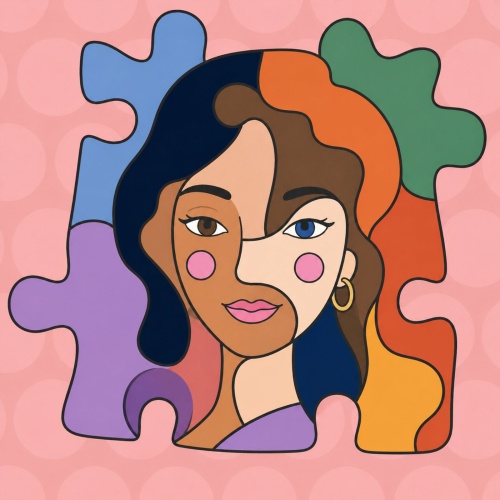
Temperament is the innate way a person experiences, reacts to, and expresses their emotions. It shapes our behavioral style from an early age and influences how we cope with stress, relationships, and inner conflicts. We inherit our temperament from one of our parents; it is biologically determined and does not change, but it can be regulated with the help of psychotherapy. This article describes the risks associated with different types of temperament.
The classical theory describes four main types of temperament—choleric, phlegmatic, melancholic, and sanguine. Each is associated with a dominant emotion which, when balanced, is a resource, but in excess can become a vulnerability.
Choleric – Core emotion: anger
The choleric temperament is characterized by energy, impulsiveness, determination, and a drive for action. These individuals react quickly, often impulsively, especially when faced with obstacles.
Anger is the core emotion here. In its healthy form, it provides the strength to set boundaries and defend oneself. However, when unregulated, it may manifest as irritability, explosiveness, and hostility. In more extreme cases, this can lead to behavioral and emotional disorders associated with aggression—both physical and psychological.
Phlegmatic – Core emotion: fear
The phlegmatic type is calm, steady, and oriented toward stability. They avoid conflict and prefer predictability over risk.
The core emotion here is fear—not always openly expressed, but rather as an inner need for security. When intensified, this fear may manifest as anxiety disorders, panic attacks, or phobias. These individuals often appear reserved, more withdrawn, or shy, and may struggle to assert themselves or engage in confrontation.
Melancholic – Core emotion: sadness
The melancholic temperament is associated with sensitivity, depth, and a tendency toward inner reflection. These individuals are often observant, empathetic, and analytical, and may neglect their own needs in favor of others.
Sadness is the leading emotion. In balanced form, it brings the capacity for empathy and understanding. But when dominant, it can lead to depressive states, pessimism, and withdrawal from the world. Melancholic individuals often experience loss more deeply and for longer periods.
Sanguine – Core emotion: joy
The sanguine type is sociable, lively, and oriented toward pleasure. These individuals easily form connections and enjoy dynamism and new experiences.
Joy is their primary emotion. It brings lightness, creativity, and social adaptability. However, in extreme forms, it may turn into overexcitement, impulsivity, loss of control, or even manic states.
Balance Is the Key
It is important to emphasize that no person belongs entirely to just one type. Each of us carries all temperaments and their corresponding emotions. The difference lies in which one is more pronounced and how we regulate it.
When we recognize our temperament, we gain a valuable tool to:
- understand our reactions
- regulate our emotions
- prevent the development of mental difficulties
Temperament is not destiny, but a starting point. Awareness of it is the first step toward better mental health and a deeper connection with oneself.
Author: Gina Veresie