
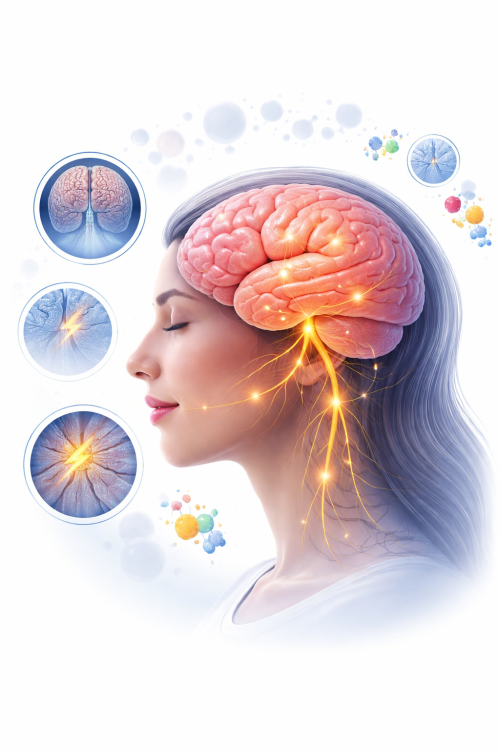
Loss of taste, also called ageusia, is something many people notice after a cold or infection. However, taste is closely connected to the brain, and sometimes the cause is neurological rather than local (mouth or nose related).
Understanding this connection can help you recognize when a simple symptom may need medical attention.
How Taste Works
Taste is not only about the tongue. It is a process that involves nerves and the brain.
- The tongue detects taste (sweet, salty, bitter, sour)
- Signals travel through special nerves to the brain
- The brain processes and “recognizes” taste
If any part of this pathway is affected, taste can change or disappear.
When the Brain Is the Cause
In some cases, loss of taste comes from the nervous system. This can happen in several conditions:
Stroke
Stroke can lead to a sudden loss of taste when areas of the brain responsible for processing taste are affected. This change often appears together with other neurological symptoms such as weakness on one side of the body, speech difficulties, or dizziness. Because of its abrupt onset and association with serious signs, this situation requires immediate medical attention.
Parkinson’s Disease
In Parkinson’s Disease, changes in taste and smell can appear early in the course of the condition. Patients may notice that food becomes less enjoyable or that flavors are less intense. Interestingly, these sensory changes can develop years before the typical movement symptoms such as tremor or stiffness.
Multiple Sclerosis
Multiple Sclerosis may also affect taste perception. In this condition, the immune system damages the protective covering of nerves, disrupting signal transmission. As a result, taste may become distorted or reduced. These symptoms often fluctuate over time and are frequently accompanied by other neurological issues such as numbness, weakness, or vision problems.
Nerve Damage
Damage to the nerves responsible for taste is another possible cause. This can occur after ear infections, surgical procedures, or head injuries. In such cases, the loss of taste is usually partial and may affect only a specific area of the tongue, depending on which nerve is involved.
Brain tumors
Brain tumors, although less common, can also interfere with taste pathways. In these cases, the loss of taste typically develops gradually rather than suddenly. It may be accompanied by additional symptoms such as persistent headaches, seizures, or changes in behavior or cognition.
Epilepsy
In some rare cases of epilepsy, patients may experience abnormal taste sensations. These are often described as metallic or bitter tastes that appear suddenly and last for a short period, sometimes just seconds or minutes. These episodes can occur as part of an aura before a seizure.
When Should You Be Concerned?
Loss of taste should raise concern when it appears suddenly, especially without an obvious cause such as a recent infection. A sudden change may indicate involvement of the nervous system and should not be ignored.
It is also important to pay attention if the symptom persists for several weeks. Temporary changes in taste are common, but when they last longer than expected, further evaluation may be needed.
Another warning sign is when the loss of taste is gradually getting worse over time. Progressive symptoms often suggest an underlying condition that requires medical assessment.
Particular attention is needed if the loss of taste occurs together with other neurological symptoms. These may include weakness or numbness, difficulty speaking, vision problems, or a sense of dizziness and imbalance. The presence of these symptoms increases the likelihood that the cause may be neurological and should prompt timely medical evaluation.
What Will the Doctor Do?
If needed, a neurological evaluation may include:
- A clinical examination
- Brain imaging (such as MRI)
- Tests of nerve function
These help identify whether the cause is neurological or not.
Loss of taste is usually harmless, but not always. In some cases, it can be a signal from the nervous system that something needs attention.
If the symptom is unusual, persistent, or combined with other neurological signs, it is important not to ignore it.
Early evaluation can lead to better diagnosis and treatment.