
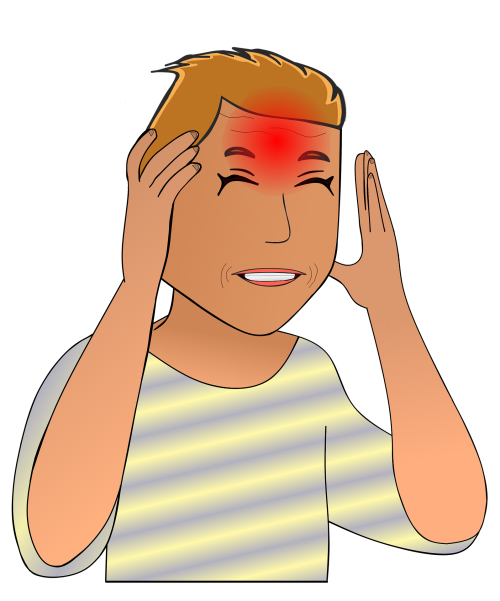
Sinus headaches are a common cause of facial pain and sinus congestion, and are often mistaken for migraines or tension headaches. They usually occur due to inflammation or infection of the sinuses (sinusitis), leading to nasal blockage, sinus congestion, and discomfort in the face and head.
Understanding the causes, symptoms, and available treatments for sinus headaches can help you manage them effectively and know when to seek medical help.
What Is a Sinus Headache?
A sinus headache occurs when the lining of the sinus cavities becomes inflamed or blocked, preventing proper drainage. This leads to increased pressure inside the sinuses and causes pain in areas such as:
- The forehead
- The cheeks
- Around or behind the nose
- Behind the eyes
Although many people call any facial pain a “sinus headache,” true sinus headaches are specifically linked to sinus inflammation or infection.
Common Causes of Sinus Headaches
Sinus headaches are usually caused by conditions that block sinus drainage:
- Viral infections (common cold, flu)
- Bacterial sinus infections (sinusitis)
- Seasonal or chronic allergies
- Nasal polyps or deviated septum
- Environmental irritants (smoke, pollution, dry air)
Symptoms of Sinus Headaches
Typical sinus headache symptoms include:
- Facial pressure or pain in the forehead, cheeks, or around the eyes
- Nasal congestion and blocked nose
- Thick nasal discharge (yellow or green mucus)
- Reduced sense of smell and taste
- Fatigue and feeling unwell
- Fever (more common in bacterial infections)
The pain often worsens when bending forward or lying down.
How Are Sinus Headaches Diagnosed?
Diagnosis is usually based on:
- Medical history and symptom pattern
- Physical examination of the nose and face
- Sometimes nasal endoscopy or imaging (CT scan) in chronic or complicated cases
Correct diagnosis is important because migraines and tension headaches are often mistaken for sinus headaches but require different treatment.
Effective Treatment for Sinus Headaches
1. Medications
- Pain relievers: NSAIDs such as ibuprofen or paracetamol relieve pain and inflammation.
- Decongestants: Nasal sprays or oral decongestants reduce swelling and improve sinus drainage (short-term use only).
- Corticosteroid nasal sprays: Reduce inflammation in chronic sinusitis.
- Antibiotics: Only if bacterial sinus infection is confirmed.
2. Home Remedies and Supportive Care
- Saline nasal irrigation
- Steam inhalation
- Warm compresses on the face
- Adequate hydration
- Rest and avoiding irritants (smoking, dry air)
3. Treating the Underlying Cause
- Allergy management with antihistamines or immunotherapy
- Correction of structural problems (e.g., deviated septum) if necessary
- Management of chronic sinusitis with an ENT specialist
When Should You See a Doctor?
You should seek medical advice if:
- Symptoms last longer than 7–10 days
- Pain is severe or worsening
- There is high fever, visual disturbance, or swelling around the eyes or forehead
- Headaches are frequent and recurring
Early treatment can prevent complications and chronic sinus disease.
Sinus headaches are caused by inflammation or blockage of the sinuses and present with facial pain, pressure, congestion, and nasal symptoms. Correct diagnosis is essential to distinguish them from migraines or other headache types. Treatment focuses on relieving inflammation, improving drainage, and addressing the underlying cause such as infection or allergies.
With proper treatment and preventive measures, most sinus headaches can be effectively managed and prevented.