
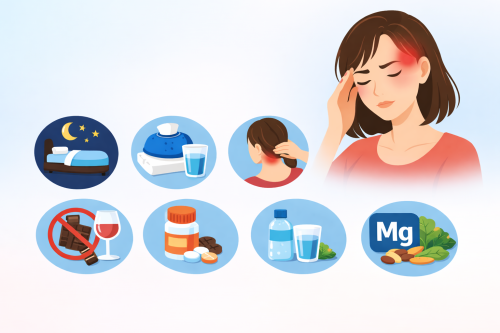
Migraines are far more than “just headaches.” For many people, they are intense neurological episodes that can interfere with work, family life, and overall wellbeing. Some individuals experience migraines several times per month, while others are affected only occasionally—but when an attack occurs, it can be profoundly disabling.
Although migraines cannot be cured entirely, effective home treatments can help manage pain, shorten migraine episodes, and reduce how frequently they occur.
What Exactly Is a Migraine?
A migraine is a neurological headache disorder typically marked by moderate to severe head pain and a range of additional symptoms. The pain is often described as throbbing, pulsating, or pounding, and it frequently affects one side of the head—especially the forehead or temple area.
Migraine attacks may last anywhere from a few hours to several days. On average, an untreated episode lasts around four hours, though many patients report much longer durations. The condition varies greatly from person to person, both in severity and frequency.
Common Migraine Symptoms
Migraine symptoms differ between individuals, but commonly include:
- intense head pain
- sensitivity to light and noise
- nausea or vomiting
- dizziness or a feeling of faintness
- blurred or altered vision
- visual disturbances such as flashing lights or bright spots
- tingling sensations in the hands or feet
Some people experience warning signs (known as aura) before the headache begins, while others do not.
What Can Trigger a Migraine?
There is no single cause of migraines. Instead, attacks are usually brought on by a combination of internal and external factors, such as:
- emotional stress or mental overload
- inadequate or irregular sleep
- exposure to strong light, loud sounds, or intense odors
- hormonal fluctuations
- certain medications
- weather or atmospheric pressure changes
- specific foods or drinks
Understanding your personal triggers is a key step in long-term migraine management.
7 Home Strategies to Help Relieve Migraine Symptoms
1. Rest in a Calm, Dark Environment
When a migraine starts, reducing sensory input is crucial. Resting in a quiet, darkened room can significantly ease discomfort—especially if light and sound worsen your pain. Even 20–30 minutes of darkness may help reduce headache intensity. Maintaining a consistent sleep routine with 7–8 hours of rest each night may also help prevent future attacks.
2. Use Cold or Warm Compresses
Applying a cold pack to the forehead or the back of the neck can provide a numbing sensation and help reduce inflammation. Cold therapy may also slow blood flow, which can lessen throbbing pain. Some patients find relief from warmth instead, particularly if neck or shoulder tension is contributing to the migraine.
3. Gently Massage the Neck or Temples
Light massage can relax tight muscles and may be beneficial if muscle tension plays a role in triggering your migraine. However, people who experience touch sensitivity (allodynia) during migraines should avoid massage, as even gentle pressure may intensify pain.
4. Drink Enough Fluids
Dehydration is a well-recognized migraine trigger. Drinking water at the first sign of an attack may help reduce severity and duration. According to the American Migraine Foundation, dehydration is reported as a trigger by a significant number of migraine sufferers. If plain water feels unappealing, adding lemon or a small amount of natural fruit juice may help.
5. Identify and Avoid Dietary Triggers
Certain foods and beverages are known to provoke migraines in some people. Common examples include alcohol, caffeine, chocolate, and processed meats. Keeping a food and symptom diary can help you identify personal triggers and reduce the likelihood of future attacks.
6. Use Over-the-Counter Pain Relief Carefully
Non-prescription medications such as ibuprofen, paracetamol or naproxen may help relieve migraine pain when used appropriately. Some combination products are formulated specifically for migraine relief. However, frequent use can lead to medication-overuse headaches, so it’s important to follow medical advice.
7. Consider Magnesium Intake
Magnesium plays an important role in nerve and muscle function. Low magnesium levels have been associated with migraines, particularly migraines with aura and hormonally related migraines in women. Increasing magnesium intake—either through supplements or foods like leafy greens, nuts, and seeds—may help reduce migraine frequency for some individuals. Always consult your doctor before starting supplements.
Migraines are a complex neurological condition that can significantly impact quality of life. They are often accompanied by nausea, light sensitivity, and visual disturbances, and can be triggered by factors such as stress, dehydration, poor sleep, or dietary habits.
While migraines cannot be cured, many people find meaningful relief through lifestyle adjustments and home-based strategies. If migraines are frequent, severe, or worsening, professional neurological evaluation is essential