
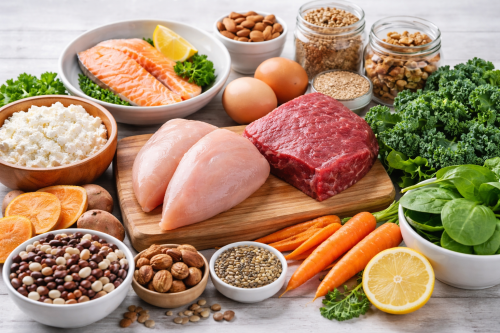
Wound healing is a complex biological process that becomes slower and more challenging with age. Older adults are particularly vulnerable to wounds that heal slowly due to changes in skin structure, reduced circulation, chronic diseases, and nutritional deficiencies. For this reason, nutrition plays a crucial role in wound healing in the elderly.
Understanding how proper nutrition supports the healing process can help older adults, caregivers, and healthcare professionals improve recovery and prevent complications.
Why Wound Healing Is Slower in Older Adults
As people age, several physiological changes occur that can affect the body’s ability to repair damaged tissues. The skin becomes thinner and less elastic, blood flow may decrease, and the immune system may not function as efficiently as it did earlier in life.
These changes increase the risk of wounds such as:
- Pressure ulcers (bedsores)
- Diabetic foot ulcers
- Surgical wounds
- Skin tears and traumatic injuries
- Chronic venous leg ulcers
In addition, conditions that are common in older adults—such as diabetes, vascular disease, and reduced mobility—can further delay wound healing.
One of the most important but often overlooked factors affecting wound recovery is nutritional status.
Why Nutrition Is Essential for Wound Healing
The body requires a wide range of nutrients to repair damaged tissues, fight infection, and rebuild skin structures. When the body lacks essential nutrients, the healing process can become delayed or incomplete.
Adequate nutrition helps the body:
- Build new tissue and skin cells
- Strengthen the immune system
- Reduce inflammation
- Produce collagen, which supports skin repair
- Improve circulation to the wound area
For elderly individuals, maintaining proper nutrition is therefore a key component of effective wound care.
Key Nutrients That Support Wound Healing
Protein
Protein is one of the most important nutrients involved in wound healing. It helps build and repair tissues, supports immune function, and plays a major role in the production of enzymes and hormones necessary for recovery.
Low protein intake may lead to slower healing, muscle loss, and a higher risk of infection.
Good sources of protein include:
- Fish and poultry
- Lean meat
- Eggs
- Dairy products
- Beans and lentils
- Nuts and seeds
Older adults with wounds often need higher protein intake to support tissue repair.
Vitamin C
Vitamin C is essential for collagen production, which is necessary for rebuilding skin and connective tissue. It also acts as a powerful antioxidant that protects cells from damage.
Foods rich in vitamin C include:
- Citrus fruits
- Strawberries
- Kiwi
- Bell peppers
- Tomatoes
- Broccoli
A deficiency in vitamin C can significantly slow wound healing and weaken the skin’s structure.
Zinc
Zinc is a trace mineral that plays an important role in immune function and tissue regeneration. It helps support cell growth, protein synthesis, and the body’s inflammatory response during healing.
Sources of zinc include:
- Meat and poultry
- Seafood
- Whole grains
- Nuts and seeds
While zinc is important for healing, supplementation should only be used when recommended, as excessive intake may cause imbalances with other nutrients.
Vitamin A
Vitamin A supports skin integrity and helps regulate the immune response during wound healing. It promotes the growth of epithelial cells, which are necessary for skin regeneration.
Vitamin A can be found in:
- Carrots
- Sweet potatoes
- Spinach
- Kale
- Dairy products
- Liver
Hydration
Proper hydration is essential for maintaining skin elasticity and supporting blood circulation. Water helps deliver oxygen and nutrients to damaged tissues and assists in removing toxins from the body.
Dehydration, which is common among older adults, can significantly impair the healing process.
Malnutrition in the Elderly and Its Impact on Wound Healing
Malnutrition is relatively common in older adults and can significantly delay wound healing. Factors such as reduced appetite, dental problems, swallowing difficulties, chronic illness, and social isolation may contribute to poor nutrition.
Signs of malnutrition may include:
- Unintentional weight loss
- Fatigue and weakness
- Loss of muscle mass
- Frequent infections
- Slow wound healing
Early identification of nutritional deficiencies can greatly improve healing outcomes.
Nutritional Strategies to Support Healing
Supporting wound healing in the elderly requires a balanced and nutrient-rich diet.
Important dietary strategies include:
- Eating adequate amounts of protein throughout the day
- Consuming a variety of fruits and vegetables rich in vitamins and antioxidants
- Including whole grains for energy and essential nutrients
- Choosing healthy fats such as olive oil, nuts, and seeds
- Maintaining sufficient daily fluid intake
In some cases, healthcare professionals may recommend nutritional supplements or specialized medical nutrition products to support recovery.
The Importance of a Holistic Approach
Wound healing in older adults is influenced by multiple factors, including nutrition, circulation, mobility, and underlying medical conditions. Proper wound care, good hygiene, adequate nutrition, and regular medical monitoring all play essential roles in successful recovery.
Addressing nutritional needs early can help reduce healing time, prevent complications, and improve overall health.
Nutrition plays a fundamental role in wound healing in the elderly. Adequate intake of protein, vitamins, minerals, and fluids supports tissue repair, strengthens the immune system, and helps wounds heal more efficiently.
For older adults, maintaining a balanced and nutrient-rich diet is not only important for wound recovery but also for overall health, strength, and quality of life.