
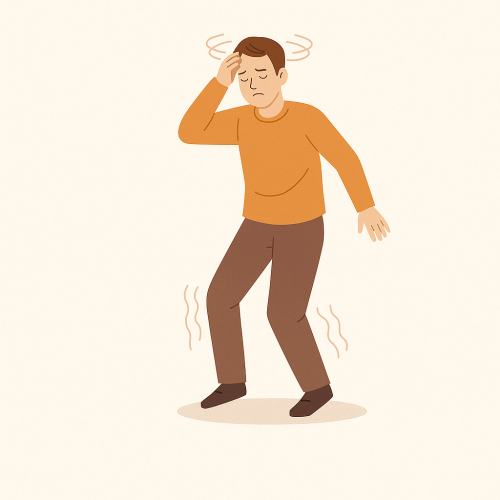
Balance disorders are among the most common neurological complaints, especially in adults and older individuals. Although many people take balance for granted, our ability to walk, stand, or move confidently depends on a highly coordinated system. When this system is disrupted, daily activities become difficult, increasing the risk of dizziness, unsteadiness, falls, and vertigo.
Balance problems often arise from neurological disorders, vestibular dysfunction, nerve damage, or age-related degeneration. Recognizing the causes and seeking early evaluation from a neurologist is essential for preventing complications and restoring stability.
What Is Balance and How Does It Work?
Maintaining balance requires the brain to receive accurate information from three systems:
- Vestibular system (inner ear)
- Proprioceptive system (muscles, joints, nerves)
- Visual system (eyes)
- Central nervous system integration (brainstem, cerebellum, cortex)
These systems work together to keep the body upright, steady, and oriented in space. When any part of this network is impaired, symptoms such as vertigo, difficulty walking, blurred vision, or frequent falls may occur.
Key Systems Involved in Balance Control
1. Vestibular System – The Body’s Internal Balance Sensor
Located in the inner ear, the vestibular system detects motion, rotation, and changes in head position. It provides real-time signals to the brain that help control posture and eye stability.
Damage to this system is a major cause of:
- Vertigo
- Motion sensitivity
- Oscillopsia (jumping vision)
- Loss of balance
2. Proprioceptive System – Sense of Body Position
Sensory receptors in muscles and joints send continuous information about movement and posture. Conditions like diabetic polyneuropathy, and spinal disorders can interfere with this system, causing unsteadiness—especially in the dark or on uneven surfaces.
3. Visual System – Spatial Awareness and Navigation
Vision helps the brain interpret the environment, recognize obstacles, and maintain orientation. Eye conditions such as cataracts, double vision, or poor depth perception may worsen balance problems.
4. Brain Integration – Where Balance Signals Are Processed
The brainstem, cerebellum, and cerebral cortex coordinate balance reactions, smooth movements, and voluntary actions. Any damage to these regions can result in severe coordination issues, dizziness, and gait abnormalities.
Neurological Causes of Balance Disorders
Many balance problems originate from disturbances in the nervous system. The most common neurological causes of dizziness and unsteadiness are:
1. Vestibular Disorders
These disorders affect the inner ear and cause symptoms such as vertigo, nausea, instability, and head-movement intolerance.
Common vestibular conditions include:
- Benign Paroxysmal Positional Vertigo (BPPV)
- Meniere’s disease
- Vestibular neuritis / labyrinthitis
- Vestibular migraine
- Ototoxic medication damage
2. Stroke and Cerebrovascular Disorders
Strokes involving the cerebellum or brainstem can cause:
- Severe imbalance
- Walking difficulty
- Double vision
- Persistent dizziness
These patients often struggle with long-term stability if rehabilitation is not initiated early.
3. Parkinson’s Disease
Parkinson’s disease affects motor control, leading to:
- Shuffling gait
- Slow reaction time
- Postural instability
- Frequent falls
4. Multiple Sclerosis (MS)
MS disrupts the communication between nerves and the brain, causing:
- Dizziness
- Ataxia
- Muscle weakness
- Coordination difficulties
5. Traumatic Brain Injury (TBI)
Head injuries may damage areas of the brain responsible for balance and movement. Symptoms may persist for months or years if untreated.
6. Peripheral Neuropathy
Conditions such as diabetes, vitamin B12 deficiency, alcoholism, or chemotherapy can damage peripheral nerves, reducing the ability to detect foot position. This leads to unsteady gait and increased fall risk.
7. Cerebellar Disorders
Cerebellar degeneration or injury results in ataxia, clumsy movements, and severe imbalance. Causes include:
- Genetic ataxias
- Chronic alcohol use
- Tumors
- Neurodegenerative diseases
8. Aging and Cognitive Decline
Age-related changes in the inner ear, nerves, and brain often lead to chronic unsteadiness. Dementia and mild cognitive impairment can also disrupt gait and spatial awareness.
Symptoms of Balance Disorders
Individuals with balance disorders may experience:
- Dizziness or vertigo
- Unsteady gait or difficulty walking
- Blurred or double vision
- Nausea and vomiting
- Feeling faint, floating, or disconnected
- Increased sensitivity to motion
- Frequent falls or near-falls
- Fatigue and concentration problems
These symptoms might worsen during movement, standing up, or in dark environments.
How Balance Disorders Are Diagnosed
A proper diagnosis requires evaluation by a neurologist or vestibular specialist.
Key diagnostic tools include:
1. Clinical history and neurological examination
Evaluating gait, coordination, reflexes, and eye movements.
2. Vestibular tests
- Videonystagmography (VNG)
- Caloric testing
- Rotational chair testing
- VEMP (Vestibular Evoked Myogenic Potentials)
3. Posturography
Assesses body sway and sensory dependence during balance tasks.
4. Imaging studies
MRI or CT to detect stroke, tumors, MS lesions, or cerebellar degeneration.
5. Audiological testing
To diagnose disorders like Meniere’s disease.
6. Blood tests
Checking for vitamin deficiencies, metabolic disorders, infections, and thyroid abnormalities.
Accurate diagnosis allows tailored treatment and prevents unnecessary disability.
Treatment Options for Balance Disorders
Treatment depends on the cause but may involve a combination of therapies.
1. Vestibular Rehabilitation Therapy (VRT)
VRT is one of the most effective treatments for neurological and vestibular balance disorders. It includes exercises that improve:
- Gaze stabilization
- Balance control
- Habituation to motion triggers
- Walking confidence
2. Repositioning Maneuvers (Epley Maneuver)
Highly effective for BPPV, often resolving symptoms within minutes.
3. Medication Management
Depending on the diagnosis, medications may include:
- Anti-vertigo medications
- Migraine prophylaxis
- Anti-inflammatory drugs
- Parkinson’s medications
- MS therapies
4. Lifestyle and Safety Modifications
- Strength and balance exercises (yoga, tai chi, Pilates)
- At-home fall-prevention adjustments
- Adequate lighting
- Assistive devices when necessary
5. Treating Underlying Medical Conditions
Managing diabetes, correcting vitamin deficiencies, treating infections, or modifying medications can significantly improve balance.
6. Surgical Treatments
Reserved for select cases, such as:
- Inner ear structural disorders
- Tumors
- Normal-pressure hydrocephalus (VP shunt)
When to See a Neurologist for Balance Problems
Seek medical evaluation if you experience:
- Persistent dizziness
- Repeated falls
- Continuous unsteadiness
- Sudden severe vertigo
- Double vision
- Difficulty walking
- New neurological symptoms
Early intervention improves outcomes and reduces the risk of injury.
Balance disorders can seriously affect daily functioning, mobility, and overall quality of life. Understanding how the vestibular, visual, proprioceptive, and neurological systems work together helps identify why balance problems occur and how they can be effectively treated.
With modern diagnostic tools and evidence-based therapies—such as vestibular rehabilitation, medical treatment, and targeted lifestyle modifications—most patients can regain stability, improve confidence, and return to normal activities.
If you or a loved one experiences ongoing dizziness or unsteadiness, consulting a neurologist is the first step toward restoring balance and preventing falls.