
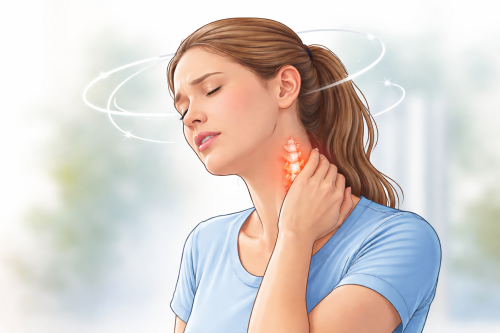
Neck pain and dizziness are common symptoms that often occur together and can significantly affect daily life. Many patients become concerned when they experience dizziness along with stiffness or discomfort in the neck, wondering whether the cause is neurological, muscular, or something more serious.
In many cases, these symptoms are linked. Understanding the connection between neck pain and dizziness is essential for proper diagnosis and effective treatment.
Can Neck Pain Cause Dizziness?
Yes, neck pain can cause dizziness. This condition is often referred to as cervicogenic dizziness, meaning dizziness that originates from the cervical spine (neck).
The neck plays a crucial role in balance and spatial orientation. It contains specialized receptors that send signals to the brain about head position and movement. When these signals are disrupted due to muscle tension, joint dysfunction, or inflammation, the brain may misinterpret them, resulting in dizziness.
What Is Cervicogenic Dizziness?
Cervicogenic dizziness is a condition in which dysfunction in the cervical spine leads to a sensation of imbalance or lightheadedness.
Unlike vertigo caused by inner ear disorders, cervicogenic dizziness typically presents as:
- A feeling of unsteadiness
- Lightheadedness
- A sense of “floating”
- Difficulty concentrating
Symptoms often worsen with:
- Neck movement
- Poor posture
- Prolonged sitting
Common Causes of Neck Pain and Dizziness
Several conditions can lead to both neck pain and dizziness:
1. Poor posture and muscle strain
Prolonged use of computers and mobile devices can lead to chronic neck tension, which affects proprioception and balance.
2. Cervical spondylosis
Degenerative changes in the cervical spine may irritate nerves and alter sensory input to the brain.
3. Whiplash injury
Trauma to the neck can disrupt normal function of cervical structures and lead to persistent dizziness.
4. Stress and anxiety
Psychological stress can cause muscle tension in the neck and contribute to dizziness, especially in patients with anxiety disorders.
5. Cervical muscle spasm
Tight muscles can interfere with normal communication between the neck and the brain.
Symptoms to watch for
Patients with neck-related dizziness often report:
- Neck stiffness or pain
- Dizziness when turning the head
- Feeling off-balance
- Head pressure
- Reduced concentration
These symptoms may be intermittent or persistent.
When Is Dizziness Serious?
Although neck pain and dizziness are often benign, certain symptoms require urgent medical evaluation:
- Sudden onset of severe dizziness
- Weakness or numbness in the face or limbs
- Difficulty speaking
- Double vision
- Severe headache
- Loss of consciousness
These may indicate a neurological emergency and should not be ignored.
How Is Neck-Related Dizziness Diagnosed?
Diagnosis of cervicogenic dizziness is primarily clinical and involves:
- Detailed medical history
- Neurological examination
- Assessment of neck mobility and pain
- Exclusion of inner ear and other neurological causes
In some cases, imaging such as MRI of the cervical spine may be recommended.
Treatment of Neck Pain and Dizziness
Treatment depends on the underlying cause but typically includes:
Physiotherapy
- Neck strengthening exercises
- Postural correction
- Manual therapy
Medication
- Pain relievers
- Muscle relaxants (when necessary)
Stress management
- Relaxation techniques
- Breathing exercises
- Psychological support when needed
Lifestyle changes
- Ergonomic adjustments
- Regular movement and stretching
- Proper sleep posture
How to Prevent Neck Pain and Dizziness
Preventive strategies are essential, especially for people with sedentary lifestyles:
- Maintain proper posture when sitting
- Take frequent breaks from screens
- Use ergonomic chairs and desks
- Exercise regularly
- Manage stress effectively
Neck pain and dizziness are often interconnected and may originate from dysfunction in the cervical spine. While these symptoms are usually not dangerous, they can impact quality of life and should not be ignored if persistent.
Early evaluation and a targeted treatment approach can significantly improve symptoms and help patients return to normal daily activities.