
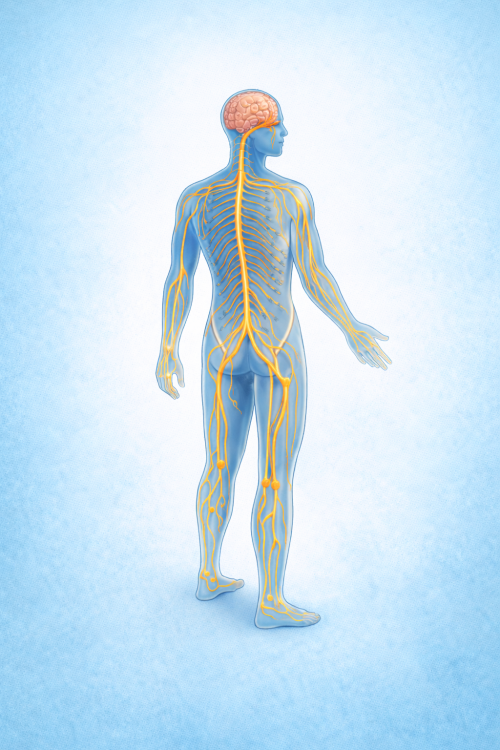
Nerve damage, also known as neuropathy, is a common neurological condition that can significantly affect quality of life. It may interfere with sensation, movement, and even automatic bodily functions such as digestion or heart rate. Millions of people worldwide experience nerve-related symptoms every year, often without immediately understanding the underlying cause.
Understanding the Types of Nerves in the Body
The nervous system relies on different types of peripheral nerves, each with a distinct role. Damage to these nerves can lead to very different symptoms depending on which nerve fibers are involved.
Sensory Nerves
Sensory nerves carry information from the body to the brain, allowing us to perceive:
- touch
- pain
- temperature
- vibration
- body position (proprioception)
When sensory nerves are damaged, symptoms may include:
- numbness or reduced sensation
- tingling or “pins and needles”
- burning or electric-like pain
- increased sensitivity to touch
- difficulty sensing position or movement
These symptoms often begin in the hands or feet and may progress gradually.
Motor Nerves
Motor nerves transmit signals from the brain and spinal cord to the muscles, enabling voluntary movement.
Damage to motor nerves can cause:
- muscle weakness
- muscle twitching or cramping
- reduced coordination
- partial or complete paralysis
- muscle wasting over time
Motor nerve involvement may significantly impair daily functioning and mobility.
Most Common Causes of Nerve Damage
Nerve damage can arise from many medical, metabolic, and environmental factors. Below are some of the most frequently diagnosed causes in neurological practice.
1. Diabetes (Diabetic Neuropathy)
Diabetes is the leading cause of peripheral nerve damage worldwide. Prolonged high blood sugar levels damage small blood vessels that supply nerves, leading to impaired nerve nutrition and function.
Common features include:
- numbness or burning in the feet and hands
- reduced pain sensation
- muscle weakness in advanced cases
Diabetes can affect sensory, motor, and autonomic nerves, making early detection essential.
2. Infectious Diseases
Certain infections can directly or indirectly damage nerves by causing inflammation or immune system dysregulation.
Examples include:
- HIV/AIDS
- herpes viruses
- hepatitis C
- Lyme disease
Acute infections may cause sudden nerve symptoms, while chronic infections often lead to progressive nerve damage.
3. Cancer and Cancer Treatments
Nerve damage may occur when tumors grow into or compress nearby nerves. Some cancers, such as multiple myeloma or lymphoma, are commonly associated with neuropathy.
Additionally, cancer treatments may contribute:
- chemotherapy-induced neuropathy
- radiation-related nerve injury
- nutritional deficiencies secondary to cancer
Symptoms may persist even after cancer treatment is completed.
4. Autoimmune Disorders
Autoimmune conditions can cause the immune system to mistakenly attack nerve tissue.
Common examples include:
- Guillain-Barré syndrome
- multiple sclerosis
- systemic lupus erythematosus
- inflammatory bowel disease
Autoimmune neuropathies may progress rapidly or develop gradually, depending on the condition.
5. Trauma and Nerve Compression
Physical injury is a frequent cause of nerve damage.
This includes:
- car accidents
- falls
- surgical injuries
- herniated discs
- carpal tunnel syndrome
- bone spurs
Compression or crushing of nerves may lead to pain, weakness, or loss of sensation.
6. Medications, Alcohol, and Toxins
Certain substances are toxic to nerve tissue, especially with prolonged exposure.
Examples include:
- chemotherapy drugs
- HIV medications
- excessive alcohol consumption
- heavy metals (lead, mercury, arsenic)
Toxic neuropathy often develops gradually and may worsen if exposure continues.
7. Nutritional Deficiencies
Vitamins play a critical role in nerve health.
The most common deficiencies linked to nerve damage include:
- Vitamin B12 deficiency
- Vitamin B6 imbalance (both deficiency and excess)
Poor nutrition, alcohol misuse, and malabsorption disorders are frequent contributors.
8. Motor Neuron Diseases
Conditions such as Amyotrophic Lateral Sclerosis (ALS) cause progressive degeneration of motor neurons.
These disorders may lead to:
- muscle weakness
- twitching
- paralysis
- muscle atrophy
Symptoms and progression depend on the specific disease.
9. Chronic Kidney Disease
Kidney dysfunction can result in toxin accumulation and electrolyte imbalances that impair nerve function.
This may lead to:
- sensory disturbances
- muscle weakness
- painful neuropathy
Neuropathy often improves only partially unless kidney function is stabilized.
10. Hormonal Imbalances
Hormonal disorders can disrupt nerve metabolism and circulation.
Common examples include:
- diabetes
- hypothyroidism
- menopause-related hormonal changes
In hypothyroidism, slowed metabolism and fluid retention may compress peripheral nerves.
When to Seek Medical Evaluation
Nerve damage symptoms should never be ignored. Early diagnosis can:
- identify reversible causes
- slow progression
- improve long-term outcomes
While some forms of nerve damage are permanent, many treatments can reduce symptoms and improve quality of life when initiated promptly.
Nerve damage is a complex neurological condition with many possible causes. Understanding the underlying reason is essential for effective treatment and prevention of further progression.
If you are experiencing numbness, pain, weakness, or unexplained sensory changes, a neurological evaluation is strongly recommended. With proper diagnosis and management, many individuals with nerve damage are able to maintain active, fulfilling lives.