
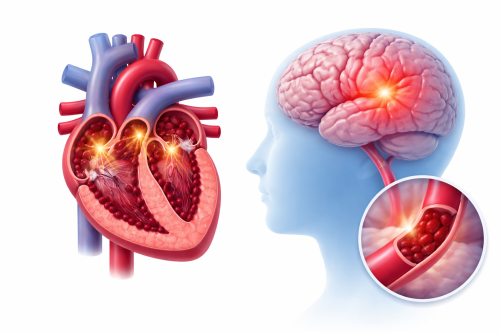
Atrial fibrillation is the most common cardiac arrhythmia and one of the most important risk factors for stroke. Although it primarily affects the heart, its consequences can be serious for the brain.
Understanding this connection is crucial, as early diagnosis and proper management can prevent serious complications.
What is Atrial Fibrillation?
Atrial fibrillation is a disorder of the heart rhythm in which the atria do not contract normally but instead beat rapidly and irregularly.
This results in:
- an irregular heart rhythm
- reduced efficiency in pumping blood
- stagnation of blood within the heart
This blood stagnation is the key mechanism linking atrial fibrillation to stroke.
How Atrial Fibrillation Leads to Stroke
When blood does not circulate properly within the atria, blood clots may form.
If such a blood clot dislodges, it can travel through the bloodstream to the brain and block a blood vessel. This causes an ischemic stroke.
Strokes associated with atrial fibrillation are often:
- more severe
- more extensive
- associated with a higher risk of disability
What Is the Risk of Atrial Fibrillation?
The presence of atrial fibrillation increases the risk of stroke by up to 4–5 times.
This risk is further increased when other conditions coexist, such as:
- hypertension
- diabetes mellitus
- heart failure
- advanced age
- previous stroke
Symptoms of Atrial Fibrillation
In some cases, atrial fibrillation does not cause noticeable symptoms and is discovered incidentally.
When symptoms are present, they may include:
- palpitations
- rapid heart rate
- fatigue
- shortness of breath
- dizziness
The “silent” form is particularly dangerous, as it may remain undiagnosed until a stroke occurs.
Symptoms of Stroke
Early recognition of stroke symptoms is critical.
Common warning signs include:
- sudden weakness or numbness in the face, arm, or leg
- difficulty speaking or understanding speech
- sudden loss of vision
- severe dizziness or loss of balance
- sudden, severe headache
In all such cases, immediate medical attention is required.
Diagnosis of Atrial Fibrillation
Atrial fibrillation is primarily diagnosed with:
- electrocardiogram (ECG)
- Holter monitoring (24-hour rhythm recording)
- cardiology evaluation
In patients who have experienced a stroke, it is important to investigate the presence of underlying atrial fibrillation.
Stroke Prevention in Patients with Atrial Fibrillation
Prevention is the most important step.
The main treatment includes:
- anticoagulant therapy (medications that reduce clot formation)
- control of heart rhythm
- management of risk factors (blood pressure, diabetes, etc.)
Proper anticoagulant treatment can significantly reduce the risk of stroke.
The Importance of the collaboration between Cardiologist and Neurologist
Atrial fibrillation is a clear example of how the heart and brain function in close interaction.
Comprehensive patient care requires collaboration between specialties to ensure:
- accurate diagnosis
- individualized treatment
- effective prevention
Atrial fibrillation is not a simple arrhythmia.It is a major risk factor for stroke.
Early recognition and appropriate treatment can save lives and prevent serious complications.
If you have symptoms or risk factors, medical evaluation is essential.
Protecting the brain begins with taking care of the heart.