
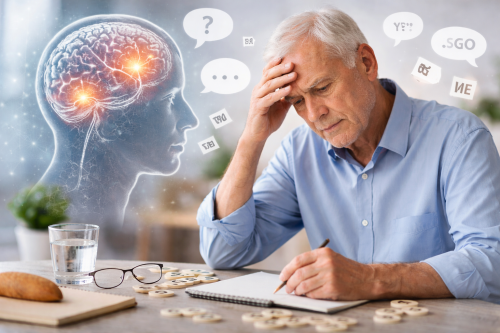
Aphasia is a neurological condition that affects a person’s ability to communicate. It can impair the ability to speak, understand language, read, or write. Aphasia occurs when areas of the brain responsible for language are damaged, most commonly after a stroke. Although aphasia can significantly affect daily life, early diagnosis and appropriate treatment can help many individuals regain communication skills and improve their quality of life.
Understanding aphasia is important not only for patients but also for family members and caregivers who play a key role in the recovery process.
What Is Aphasia?
Aphasia is a language disorder caused by damage to specific areas of the brain that control language and communication. These areas are usually located in the left hemisphere of the brain, particularly in regions known as Broca’s area and Wernicke’s area.
People with aphasia often know what they want to say but have difficulty expressing it or understanding what others are saying. The severity of aphasia varies widely. Some individuals may have mild difficulty finding words, while others may lose the ability to communicate almost entirely.
Aphasia does not affect intelligence, but it can make communication extremely challenging.
Causes of Aphasia
The most common cause of aphasia is stroke, which accounts for the majority of cases. When blood flow to language areas of the brain is interrupted, brain cells are damaged, leading to language impairment.
Other possible causes include:
- Traumatic brain injury (for example, after an accident or fall)
- Brain tumors
- Infections affecting the brain
- Neurodegenerative diseases, such as certain forms of dementia
- Brain inflammation or neurological disorders
The location and extent of brain damage determine the type and severity of aphasia.
Types of Aphasia
Several different types of aphasia have been identified, depending on which areas of the brain are affected.
Broca’s Aphasia (Expressive Aphasia)
People with Broca’s aphasia have difficulty producing speech. They may speak in short, incomplete sentences and struggle to find the right words.
Typical features include:
- Slow and effortful speech
- Short phrases
- Omission of small words such as “is” or “the”
- Good understanding of spoken language
Although speech production is impaired, many individuals with this form of aphasia can still understand others relatively well.
Wernicke’s Aphasia (Receptive Aphasia)
Wernicke’s aphasia primarily affects the ability to understand language.
People with this type of aphasia may speak fluently but their speech may not make sense or may contain incorrect or invented words.
Common characteristics include:
- Difficulty understanding spoken language
- Long, fluent sentences that may lack meaning
- Limited awareness of communication difficulties
Global Aphasia
Global aphasia is the most severe form of aphasia and occurs when extensive damage affects several language areas of the brain.
Individuals with global aphasia may experience:
- Severe difficulties speaking
- Severe difficulties understanding language
- Limited ability to read and write
Anomic Aphasia
Anomic aphasia is one of the milder forms of aphasia and is mainly characterized by difficulty finding the correct words.
People with anomic aphasia may:
- Speak fluently
- Understand language well
- Struggle to recall names of objects or people
Symptoms of Aphasia
The symptoms of aphasia vary depending on the type and severity of brain damage. Common symptoms include:
- Difficulty speaking or forming sentences
- Trouble finding the correct words
- Difficulty understanding spoken language
- Problems reading or writing
- Using incorrect or meaningless words
- Difficulty following conversations
These symptoms can appear suddenly, especially after a stroke, or develop gradually in certain neurological conditions.
Diagnosis of Aphasia
Diagnosing aphasia typically involves a neurological examination and specialized language assessments.
Healthcare professionals may evaluate:
- Speech production
- Understanding of spoken language
- Reading ability
- Writing skills
- Naming objects and describing pictures
Brain imaging tests such as MRI or CT scans are often used to identify the underlying cause of aphasia and locate the area of brain damage.
Early evaluation is essential to begin appropriate treatment and rehabilitation.
Treatment Options for Aphasia
The primary treatment for aphasia is speech and language therapy. Speech-language therapists work with patients to improve communication skills and develop alternative strategies for expressing thoughts and ideas.
Treatment may include:
- Exercises to improve speech and word retrieval
- Language comprehension training
- Reading and writing practice
- Use of communication aids such as gestures, drawings, or digital tools
Therapy is most effective when started early and practiced regularly.
The Importance of Rehabilitation and Support
Recovery from aphasia often requires a multidisciplinary approach involving neurologists, speech therapists, psychologists, and rehabilitation specialists.
Family members and caregivers also play a vital role by:
- Speaking slowly and clearly
- Using simple sentences
- Allowing extra time for responses
- Encouraging communication without pressure
Supportive communication environments can significantly improve recovery outcomes.
Can Aphasia Improve?
In many cases, aphasia can improve over time, especially with consistent therapy and rehabilitation.
The extent of recovery depends on several factors, including:
- The cause of brain injury
- The size and location of the damage
- The patient’s age and general health
- The intensity of therapy and rehabilitation
Some individuals recover most of their language abilities, while others may continue to experience communication challenges but learn effective ways to adapt.
Aphasia is a complex neurological condition that affects the ability to communicate, but it does not affect a person’s intelligence or desire to interact with others. Early diagnosis, specialized therapy, and supportive communication strategies can significantly improve outcomes.
Raising awareness about aphasia helps patients, families, and healthcare professionals better understand the condition and work together toward effective recovery and improved quality of life.