
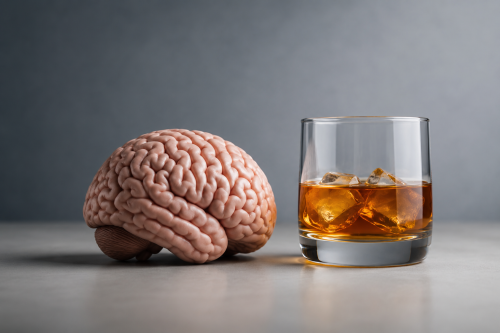
Alcohol is part of the social life of many people; however, excessive or inappropriate alcohol consumption can seriously affect health, thinking, behavior, and the nervous system.
In neurology and psychiatry, we often see the effects of excessive alcohol use, including anxiety, sleep disturbances, memory problems, depression, panic attacks, neurological damage, and concentration difficulties.
Below you will find common myths and facts about alcohol, as well as answers to important questions related to health and safety.
Myth or Fact?
Problems related to alcohol are caused only by “alcoholics”
Myth
Many serious incidents, such as road accidents, violent behavior, and injuries, are often caused by people who do not drink daily but consumed a large amount of alcohol on a specific occasion.
Coffee helps you “sober up”
Myth
The body metabolizes alcohol at a steady rate through the liver. Coffee does not reduce the level of alcohol in the blood. It may simply make someone feel more awake while they are still impaired by alcohol.
The same applies to a cold shower.
The only real “cure” for intoxication is time.
A “blackout” means that someone passed out
Myth
An alcohol blackout is a form of temporary memory loss. A person may talk, walk, and function normally, but later be unable to remember anything that happened.
This is a serious warning sign of excessive alcohol consumption.
There is no safe alcohol consumption during pregnancy
Fact
Alcohol passes directly from the mother to the fetus through the bloodstream. Drinking alcohol during pregnancy may lead to serious developmental and neurological complications in the child, including fetal alcohol syndrome.
The safest option is complete avoidance of alcohol during pregnancy.
Women are affected more by alcohol
Fact
Women usually have a lower percentage of body water and a different alcohol metabolism compared to men. This means that the same amount of alcohol may have a stronger effect on their bodies.
Alcohol can cause serious social harm
Fact
Alcohol is associated with road accidents, violent episodes, family conflicts, depression, anxiety, liver disease, neurological damage, sleep disorders, and addiction.
Although it is legal and socially accepted, excessive alcohol consumption can have serious consequences both for the individual and for those around them.
Fun and entertainment are necessarily connected to drinking
Myth
Social life does not have to revolve around alcohol. Exercise, travel, music, outdoor activities, creative hobbies, and meaningful social relationships can provide relaxation and enjoyment without the negative effects of excessive drinking.
Frequently Asked Questions About Alcohol
What is binge drinking?
The term describes consuming a large amount of alcohol in a short period of time, usually during a night out or social occasion.
It is commonly defined as:
- six or more drinks on one occasion for men
- four to five drinks for women
Binge drinking significantly increases the risk of accidents, poisoning, loss of consciousness, violent behavior, cardiac complications, and neurological complications.
How quickly does alcohol affect the body?
Alcohol begins to be absorbed within a few minutes. Its effects usually appear within five to ten minutes and peak later, depending on:
- the amount consumed
- the type of drink
- whether there is food in the stomach
- body weight
- metabolism
Can someone speed up the elimination of alcohol from the body?
No.
The liver metabolizes alcohol at a relatively constant rate. Coffee, cold showers, water, or walking do not remove alcohol from the bloodstream.
On average, the body metabolizes approximately seven to ten grams of alcohol per hour.
After heavy drinking, alcohol may remain in the body for many hours, even until the next morning.
What is the legal alcohol limit for driving?
In Cyprus the legal limit is:
- 0.5 grams of alcohol per liter of blood
- or 22 micrograms per 100 ml of breath
However, even below the legal limit, alcohol may impair reflexes, judgment, attention, and reaction time.
The safest option is not to drive at all after consuming alcohol.
How many drinks are needed to go over the legal limit?
There is no exact answer because this depends on many factors:
- sex
- body weight
- age
- fatigue
- medications
- whether food was eaten beforehand
- speed of drinking
- alcohol content of the beverage
The same amount of alcohol may affect each person differently.
Alcohol and Mental Health
Regular or excessive alcohol consumption may worsen:
- anxiety
- depression
- panic attacks
- insomnia
- irritability
- memory and concentration problems
In addition, long-term alcohol use may affect the nervous system and cause neurological complications such as peripheral neuropathy, cognitive difficulties, and balance disorders.
When should someone seek Help?
It is important to seek help when a person:
- struggles to control alcohol consumption
- uses alcohol to cope with stress or emotional pressure
- experiences blackouts or memory loss
- notices that relationships or work are being affected
- develops symptoms of anxiety, depression, or sleep problems
Early intervention can help prevent serious psychiatric and neurological complications.