
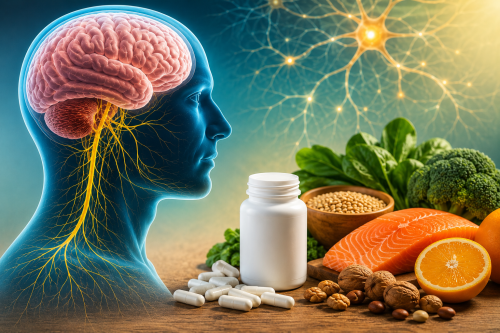
How Thiamine Deficiency Affects People with Alcohol Dependence
Chronic alcohol consumption can cause serious damage to the brain and nervous system. One of the most important causes of these complications is a deficiency of vitamin B1, also known as thiamine. Thiamine is an essential nutrient for the normal function of nerve cells and energy production in the brain.
Among individuals with alcohol dependence, thiamine deficiency is particularly common. It is estimated that between 30% and 80% of people who consume large amounts of alcohol develop a significant deficiency of this vitamin.
Why Does Alcohol Cause Vitamin B1 Deficiency?
Alcohol negatively affects the body in several ways:
- It reduces the absorption of thiamine from the intestines.
- It interferes with the proper storage of the vitamin in the liver.
- It disrupts the conversion of thiamine into its active form.
- It is often associated with poor nutrition and malnutrition.
As a result, the brain is deprived of a vital nutrient it needs to function properly.
Wernicke-Korsakoff Syndrome: The Most Serious Complication
The most well-known and dangerous consequence of thiamine deficiency is Wernicke-Korsakoff Syndrome, a severe neurological disorder that can cause permanent brain damage.
Symptoms of Wernicke’s encephalopathy may include:
- Confusion and disorientation
- Balance and walking difficulties
- Poor coordination of movements
- Double vision (diplopia) or other eye movement abnormalities
- Drowsiness and reduced alertness
If left untreated, the condition may progress to Korsakoff syndrome, which is characterized by severe memory impairment and difficulty learning new information.
Why Is Thiamine Given During Alcohol Withdrawal and Recovery?
Vitamin B1 supplementation is a fundamental part of the treatment of individuals with alcohol dependence. The goal is to prevent neurological complications and protect the brain during detoxification and recovery.
Thiamine is particularly recommended when there is:
- Chronic alcohol consumption
- Significant malnutrition
- Weight loss
- Alcohol withdrawal symptoms
- Suspected Wernicke’s encephalopathy
Some studies also suggest that adequate thiamine replacement may help reduce certain withdrawal symptoms and support neurological recovery.
What Thiamine doses are commonly used?
For preventive purposes, individuals undergoing alcohol withdrawal or those at increased risk of deficiency are typically prescribed 100–300 mg of oral thiamine daily. Treatment may continue for several weeks or until nutritional status has improved.
In cases of severe deficiency or when Wernicke’s syndrome is suspected, much higher doses are required. Typically, 250–500 mg of thiamine is administered intravenously or intramuscularly two to three times daily for 3–5 days.
Once the condition has stabilized, treatment is usually continued with 100–300 mg of oral thiamine daily for several weeks or according to the treating physician’s recommendations.
Is High-Dose Thiamine Safe?
Thiamine is a water-soluble vitamin, meaning that excess amounts are excreted from the body through urine. As a result, it is generally considered very safe, even at high doses, when administered under medical supervision.
Vitamin B1 (thiamine) is one of the most important protective factors for the brain in individuals with alcohol dependence. Early recognition of deficiency and appropriate treatment can prevent serious—and sometimes irreversible—neurological damage.
If you or a loved one is struggling with alcohol-related problems, an evaluation by a neurologist or psychiatrist is important to identify potential nutritional deficiencies early and ensure appropriate treatment and support.